Common Safety Mistakes New Riders Make and How to Avoid Them

Embarking on the journey of motorcycling brings a sense of freedom and excitement, but it also introduces a new set of responsibilities. For novices, the learning curve involves mastering not only the mechanics of riding but also the subtle art of safety. Statistics consistently show that a significant portion of motorcycle accidents involve riders with limited experience. This is not a reflection of inherent danger, but rather an indication that certain habits and decision-making patterns can be refined. Understanding these common safety mistakes is the first step toward developing a mindset that prioritizes well-being on the road.
This article explores a range of frequent errors made by new riders, from the handling of controls to situational awareness. It aims to provide a framework for understanding why these mistakes occur and offers strategies for correction. The focus is on process and technique, rather than quick fixes. By examining these areas, riders can build a foundation of safe practices that become second nature. The goal is not to instruct on every possible scenario, but to highlight principles that apply broadly to riding situations.
Incorrect Braking Techniques
One of the most critical skills for any motorcyclist is effective braking, yet it is often misunderstood by beginners. Many novices tend to rely primarily on the rear brake, influenced by instincts from driving cars or riding bicycles. However, motorcycles are engineered with two independent braking systems, and each plays a role in safe stopping. The front brake provides the majority of stopping power, especially during emergency maneuvers, because weight transfers forward under deceleration, increasing front tire traction. Neglecting this can lead to longer stopping distances and reduced control.
Another common issue is abrupt or excessive braking without proper technique. Grabbing the front brake suddenly can cause the front wheel to lock, leading to a loss of balance or even a high-side or low-side crash. Conversely, braking too timidly can result in insufficient deceleration. New riders often struggle to modulate brake pressure smoothly, either underutilizing or overutilizing the brakes. Practicing progressive braking—applying force initially and then increasing pressure as the weight transfers—is a skill that enhances control and stability. Additionally, understanding the concept of threshold braking, where maximum deceleration is achieved without locking the wheels, is fundamental. This technique requires practice and familiarity with the motorcycle’s feel.
To improve braking skills, consider practicing in a controlled environment, such as an empty parking lot. Start with gentle stops at slow speeds, gradually increasing speed and applying more brake pressure. Focus on the sequence: squeeze the front brake lever smoothly, while simultaneously pressing the rear pedal. Keep the motorcycle upright and avoid abrupt steering inputs while braking. Remember that braking performance is also influenced by road surface, weather, and cargo, so adapt the technique accordingly. By internalizing these principles, riders can develop a reliable braking routine that serves them well in varied conditions.
Loose or Improper Grip on the Handlebars
The way a rider grips the handlebars significantly affects control and comfort. A common mistake among novices is holding the handlebars too loosely, thinking that it reduces fatigue or allows for easier steering. While a death grip is inappropriate, a grip that is too lax can compromise fine control and increase the risk of unintentional inputs. The correct approach is to maintain a relaxed yet firm hold, with elbows slightly bent and shoulders relaxed. This allows the front wheel to respond to subtle inputs and absorbs road vibrations without transmitting them harshly to the rider.
Improper hand position can also lead to difficulties in operating controls. Hands should be positioned so that the fingers can easily reach the brake lever and throttle without stretching. Many new riders hold the throttle with only their fingertips, which reduces throttle control and can cause jerky acceleration. The proper grip involves wrapping the entire hand around the throttle, with the wrist aligned with the forearm. This not only provides better throttle modulation but also reduces strain on the wrist during long rides. Additionally, keeping hands on the handlebars at all times is essential, except when reaching for other controls, and even then, one hand should maintain a secure grip.
To develop a correct grip, practice in a safe area and focus on maintaining a consistent hand position. Check for tension in the shoulders and hands, and consciously relax them while riding. Ensure that the brake lever is positioned so that you can operate it without stretching your fingers. Adjusting the lever’s angle and reach can improve comfort and control. By refining the grip, riders can enhance their ability to steer precisely and respond effectively to unexpected situations.
Poor Situational Awareness and Scanning
Motorcycling demands heightened awareness of the environment compared to driving a car. Novices often focus narrowly on the road directly ahead, missing hazards from the sides or behind. This tunnel vision can lead to delayed reactions to vehicles changing lanes, pedestrians, or obstacles. Developing a systematic scanning routine is crucial. For example, a technique known as SIPDE (Scan, Identify, Predict, Decide, Execute) guides riders to continuously assess their surroundings. Scanning involves regularly checking mirrors, glancing over shoulders, and surveying the road ahead, as well as observing the behavior of other road users.
Another aspect is the use of the foveal and peripheral vision. The human eye is designed to focus on details, but relying solely on central vision can cause riders to miss movement at the edges. Training the peripheral vision to detect changes can be beneficial, though it requires practice. Additionally, new riders may fail to anticipate potential hazards, such as cars pulling out from driveways or changing lanes without signaling. Being aware of escape routes and maintaining a buffer zone can provide time to react.
To improve situational awareness, practice active scanning during every ride. Make a habit of checking mirrors every few seconds, and glance over shoulders before lane changes. Learn to read the road surface for irregularities like gravel, oil, or potholes. Observe the behavior of drivers, and consider “what if” scenarios to mentally prepare. In time, this becomes automatic, but conscious effort is needed in the early stages. Incorporating these practices into daily riding builds a defensive mindset that is invaluable for safety.
Overconfidence and Peer Pressure
A psychological factor that contributes to accidents is overconfidence, which often emerges after a few months of riding without incident. New riders may feel that they have mastered the basics and begin to take more risks, such as riding at higher speeds or attempting advanced maneuvers beyond their skill level. This overestimation of abilities can lead to situations where the rider loses control. It is important to recognize that skill development is a gradual process, and competence on familiar roads does not guarantee proficiency in all conditions.
Peer pressure can also influence a new rider’s behavior, especially within groups. The desire to keep up with more experienced friends may encourage riding at speeds or in ways that exceed individual limits. This can be particularly dangerous because the group dynamic may obscure the risks involved. To mitigate this, new riders should set their own boundaries and communicate them clearly. Riding at your own pace, using effective group riding protocols like staggered formation, and ensuring that others are aware of your experience level can help manage expectations.
Building a realistic self-assessment is essential. Periodically reflect on your riding and identify areas for improvement, perhaps by taking advanced riding courses or practicing specific skills. Avoid the trap of comparing your abilities to others, as skills vary with experience and practice. By maintaining humility and focusing on continuous learning, riders can prevent overconfidence from becoming a liability.
Lack of Proper Gear and Maintenance
Using appropriate protective gear is non-negotiable for safe riding, yet some new riders underdress, perhaps due to comfort or style concerns. Helmets, gloves, jackets, pants, boots, and eye protection are designed to reduce the severity of injuries in accidents. The absence of these can transform a minor spill into a serious injury. It is crucial to wear gear that is DOT or ECE certified and fits properly. For instance, a loose helmet may come off in a crash, defeating its purpose. Investing in quality gear and using it consistently is a fundamental safety practice.
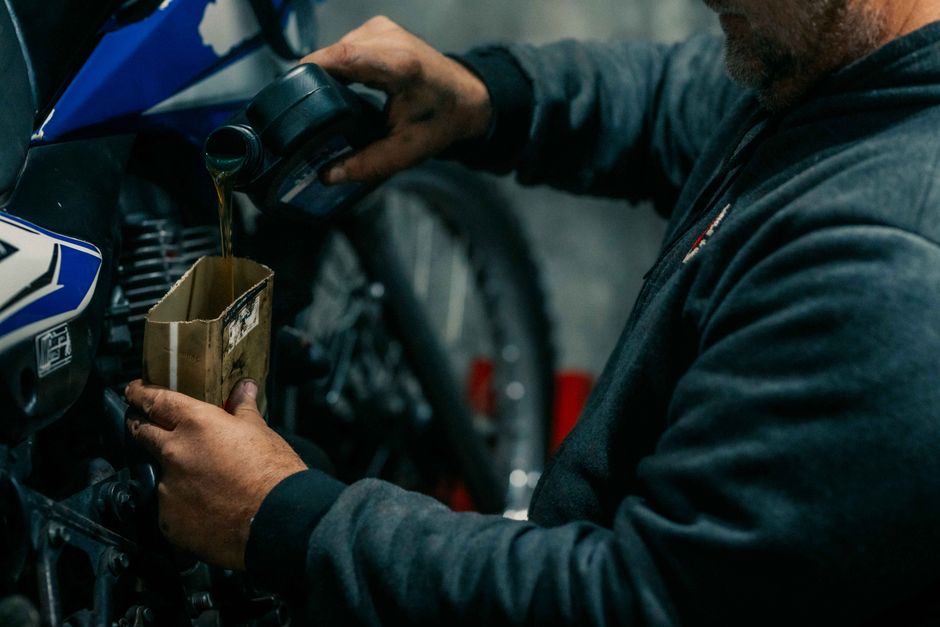
In addition to wearing gear, maintaining the motorcycle in good working order is essential. Neglecting routine checks, such as tire pressure, fluid levels, brakes, and lights, can lead to mechanical failures that compromise safety. For example, low tire pressure affects handling and braking, while worn brake pads increase stopping distance. New riders may not be familiar with the maintenance schedule or may overlook minor issues until they become serious. Learning basic maintenance tasks, consulting the owner’s manual, and having regular inspections by a professional are part of responsible ownership.
To incorporate these habits, create a pre-ride checklist that includes tire condition, lights, brakes, fluid levels, and chain adjustment. Make it a ritual before each ride, just as you would fasten a seatbelt in a car. Additionally, ensure that your gear is clean and in good condition, replacing any damaged items. Remember that safety is not just about riding skills but also about preparation and equipment. By prioritizing these aspects, riders can minimize some of the variable risks associated with motorcycling.